



How to Store Peptides Properly: The Complete Pharmacist’s Guide
If you’re using peptides, proper storage is one of the most important factors in preserving potency, maintaining stability, and protecting your investment. Unfortunately, many users focus heavily on selecting peptides while overlooking how they are stored once they arrive.
As pharmacists with years of experience handling sterile and non-sterile medications, we’ve seen firsthand how improper storage can negatively affect sensitive compounds. This guide explains how to store peptides properly, avoid common mistakes, and keep your peptide supplies organized and protected.
Why Proper Peptide Storage Matters
Peptides are delicate chains of amino acids that can be affected by temperature fluctuations, moisture, light exposure, and contamination. While many peptides are relatively stable when handled correctly, poor storage conditions can accelerate degradation and potentially reduce effectiveness.
Proper storage helps:
- Maintain peptide integrity
- Extend usable shelf life
- Reduce contamination risk
- Prevent accidental damage
- Protect your financial investment
Whether you’re using peptides for wellness, fitness, longevity, or physician-directed protocols, storage should never be an afterthought.
How to Store Lyophilized Peptides
Most peptides arrive in a lyophilized (freeze-dried) powder form. This form offers significantly greater stability than reconstituted peptides.
Recommended Storage Conditions
For short-term storage:
- Refrigerate at 36°F to 46°F (2°C to 8°C)
- Keep away from direct light
- Store in a dry environment
For long-term storage:
- Freeze according to supplier recommendations
- Avoid repeated freeze-thaw cycles
- Keep vials sealed until use
Temperature consistency is critical. Frequent changes in storage conditions can introduce unnecessary stress on the product.
How to Store Reconstituted Peptides
Once a peptide has been mixed with bacteriostatic water or another approved diluent, its stability becomes more dependent on proper handling.
Best Practices for Reconstituted Peptides
- Refrigerate immediately after mixing
- Store between 36°F and 46°F (2°C to 8°C)
- Keep vials upright when possible
- Minimize unnecessary handling
- Protect from excessive light exposure
Always follow the guidance provided by your healthcare provider or supplier regarding recommended usage timelines after reconstitution.
Common Peptide Storage Mistakes
Leaving Peptides in Hot Environments
Heat is one of the fastest ways to damage sensitive compounds. Never leave peptides in a vehicle, direct sunlight, or near heat sources.
Frequent Temperature Cycling
Moving peptides repeatedly between room temperature, refrigeration, and freezing can potentially affect stability.
Improper Organization
Many users store peptide vials loosely inside refrigerators, drawers, or storage bins. This increases the risk of breakage, confusion, and contamination.
Exposure to Light
Certain compounds may degrade more quickly when exposed to ultraviolet light. Store vials in protective containers whenever possible.
Why Organized Peptide Storage Matters
One of the simplest ways to improve peptide handling is through proper organization.
Benefits of dedicated peptide storage include:
- Protection from accidental breakage
- Easy identification of vials
- Cleaner storage environment
- Better travel convenience
- Reduced risk of mix-ups
Many users invest hundreds or even thousands of dollars into peptide protocols. A quality storage solution helps protect that investment while making daily use more convenient.
Traveling With Peptides
Traveling with peptides requires additional planning.
When traveling:
- Use insulated storage if temperature control is needed
- Protect vials from impact and vibration
- Keep supplies organized and secure
- Avoid prolonged exposure to heat
Many users find that dedicated peptide storage cases make travel significantly easier while reducing the risk of damage during transport.
Choosing the Right Peptide Storage Solution
A quality peptide storage system should provide:
- Secure vial protection
- Organized compartmentalization
- Easy portability
- Durable construction
- Convenient access to supplies
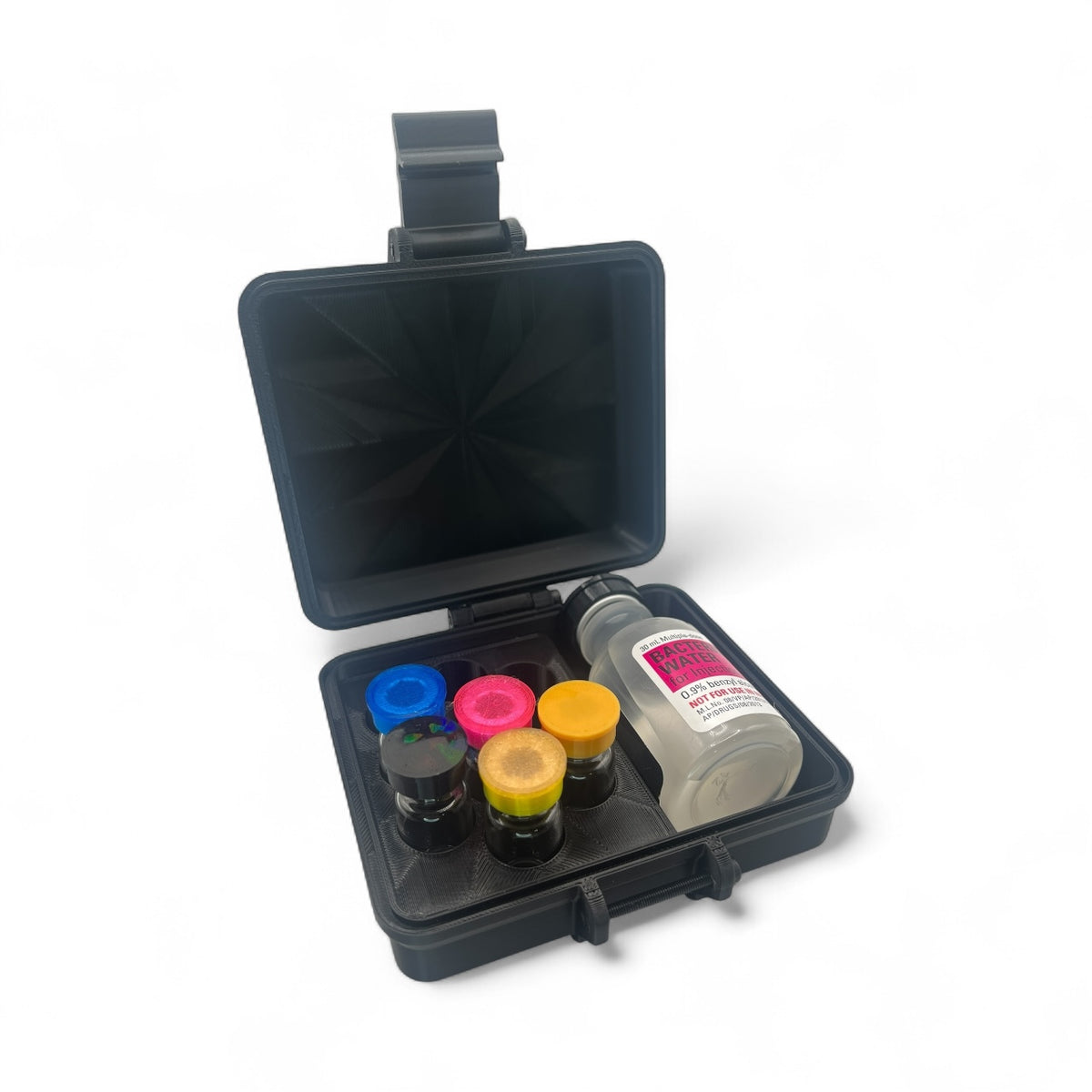
At Peptide Cases, we designed our storage solutions specifically for peptide users who want a cleaner, safer, and more organized way to store their supplies. Our pharmacist-designed cases help protect vials while keeping everything in one secure location.
Explore our collection of peptide storage solutions at peptidecases.com to find an option that fits your needs.
Final Thoughts
Learning how to store peptides properly is essential for protecting potency, maintaining organization, and maximizing the value of your protocol.
By controlling temperature, minimizing light exposure, preventing contamination, and using a dedicated storage solution, you can help ensure your peptides remain protected and organized throughout their use.
Proper storage isn’t just about convenience—it’s about protecting the quality of the products you’ve invested in.