



How to Properly Give a Subcutaneous Injection
Safe Injection Sites, Best Practices, and Why GLP-1 Medications Must Be Injected This Way
Injectable medications are extremely effective when used correctly—but how and where you inject matters just as much as the medication itself. This is especially true for GLP-1 medications, which are designed to be absorbed slowly through subcutaneous (under-the-skin) fat tissue.
This patient-focused guide explains:
- What a subcutaneous injection is
- The only safe injection sites
- Proper technique
- Why GLP-1 medications must be injected subcutaneously
- How correct storage protects medication effectiveness
All information is backed by established medical science and clinical guidelines.
What Is a Subcutaneous Injection?
A subcutaneous injection places medication into the fat layer between the skin and muscle. This tissue allows medications to enter the bloodstream gradually and predictably, reducing side effects and maintaining stable drug levels.
Many commonly prescribed injectables rely on this delivery method, including:
- GLP-1 receptor agonists
- Insulin
- Blood thinners
- Hormone and peptide therapies
Injecting too deep (into muscle) or too shallow (into skin) can significantly alter how the medication behaves in your body.
Why Proper Injection Technique Is Critical
Incorrect injection technique can lead to:
- Increased nausea or vomiting
- Poor medication absorption
- Bruising, swelling, or burning
- Scar tissue or hardened fat (lipohypertrophy)
- Reduced effectiveness over time
For weekly or long-term injectable medications, consistency is key.
Approved Subcutaneous Injection Sites (Clinically Recommended)
Medical guidelines and FDA-approved labeling consistently recommend three locations only for subcutaneous injections.
✅ Abdomen (Most Recommended)
Where:
- At least 2 inches away from the belly button
- Between the rib cage and hip line
Why it’s preferred:
- Most consistent absorption
- Even fat distribution
- Easy access for self-injection
Most GLP-1 medications were studied using abdominal injections, making this the gold standard location.
🔗 Protect your medication during storage and travel:
https://peptidecases.com
https://peptidecases.com/collections/all
✅ Thigh
Where:
- Front or outer upper thigh
Why it works:
- Reliable fat layer
- Easy to visualize injection area
Absorption may be slightly slower than the abdomen, but it remains safe and effective.
✅ Upper Arm
Where:
- Back of the upper arm (triceps area)
Best for:
- Injections given by another person
This site is approved but less convenient for self-administration.
Why Injection Site Rotation Matters
Repeated injections into the same spot can cause lipohypertrophy, a thickening of fat tissue that:
- Reduces medication absorption
- Causes discomfort
- Leads to unpredictable results
✅ Rotate within the same area (move around the abdomen rather than switching body parts every time).
How to Give a Subcutaneous Injection (Step-by-Step)
- Wash hands thoroughly
- Clean the injection site with alcohol and let dry
- Gently pinch the skin
- Insert the needle at 90° (45° if very lean)
- Inject slowly and steadily
- Remove needle and apply light pressure
- Do not rub
Using short, fine needles helps prevent accidental intramuscular injection.
Why GLP-1 Medications Must Be Injected Subcutaneously
GLP-1 medications are peptide-based, meaning they are made of amino acid chains that:
- Break down quickly if absorbed too fast
- Require slow release for effectiveness
- Are sensitive to improper injection depth
Medical reasons subcutaneous injection is required.
- Prevents sharp drug spikes
- Reduces nausea and GI side effects
- Maintains steady blood levels
- Supports weekly or daily dosing schedules
Injecting into muscle can cause faster absorption, increased side effects, and reduced therapeutic benefit. This is why FDA approvals and clinical trials strictly specify subcutaneous injection only.
Injection Safety Includes Storage
Many injectable medications must be:
- Refrigerated
- Protected from light
- Stored securely to prevent vial breakage
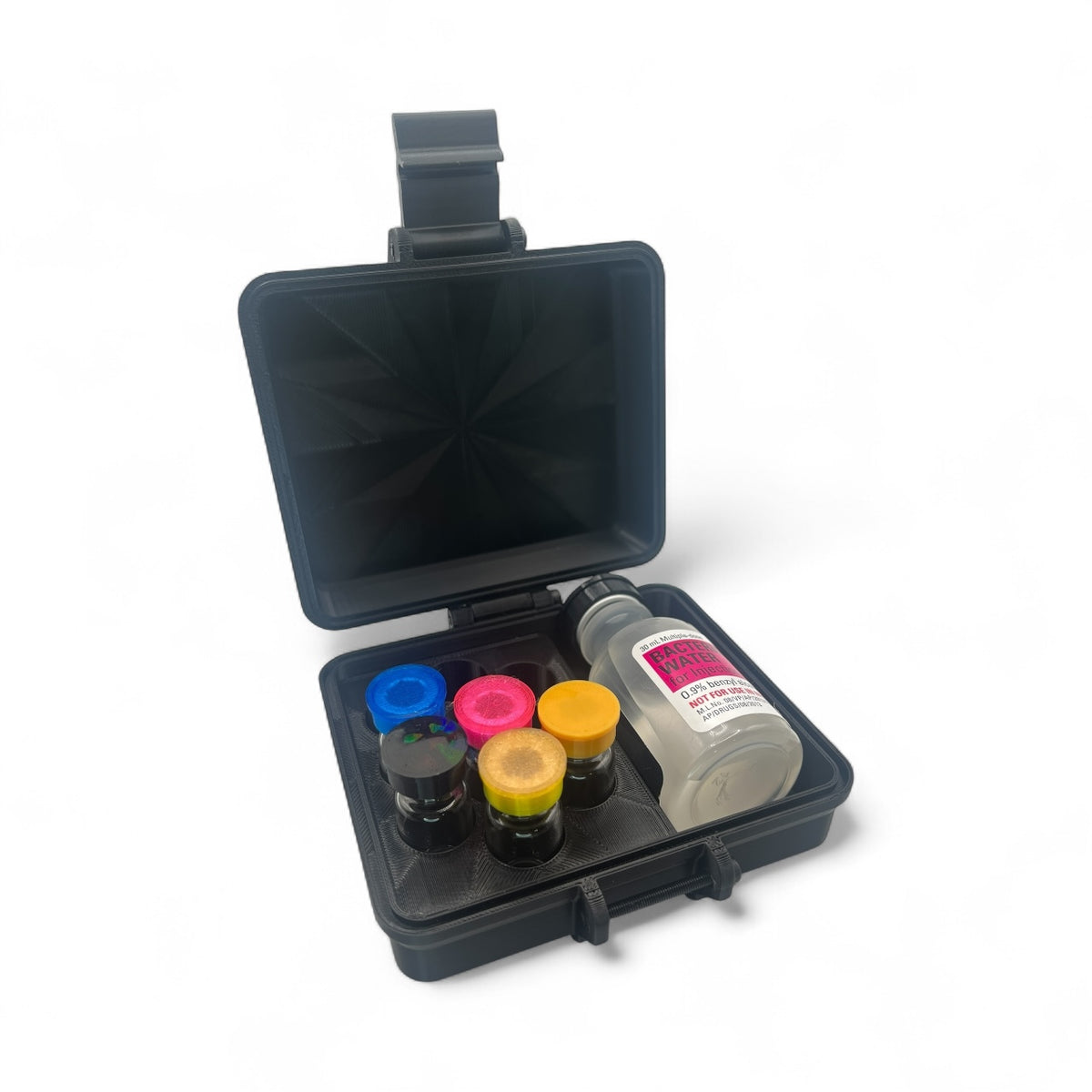
🔗 View protective vial cases designed for injectable medications:
https://peptidecases.com
https://peptidecases.com/collections/all
Disclaimer
This content is for educational purposes only and does not constitute medical advice. Always consult a licensed healthcare professional before starting or modifying any medication or injection routine.
Medical & Scientific References
- American Diabetes Association. Standards of Medical Care in Diabetes.
- U.S. Food and Drug Administration (FDA). GLP-1 Receptor Agonist Prescribing Information.
- Frid AH et al. New Injection Recommendations for Patients with Diabetes. Mayo Clinic Proceedings.
- Heise T, Nosek L. Pharmacokinetics of Subcutaneous Injection. Clinical Pharmacokinetics.
- National Institutes of Health (NIH). Subcutaneous Drug Administration Guidelines.